Cameron Peters · 19 November 2026
Mapping Loftroot's Historical Cultivation Shifts Among Indigenous Communities in Remote Valleys
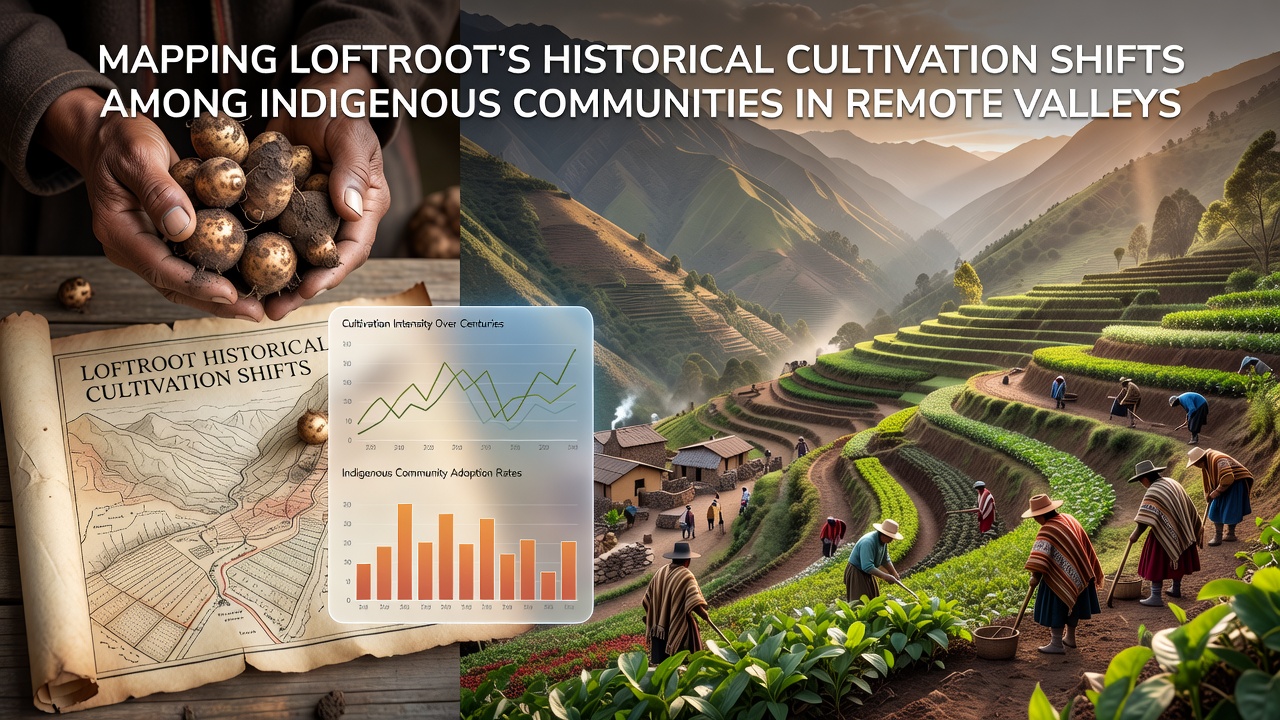
Loftroot has served as a staple crop for indigenous communities living in remote valleys for generations, with cultivation patterns that reflect adaptations to changing environmental conditions and social structures. Researchers have documented how these communities adjusted planting cycles, field locations, and varietal selections over centuries while maintaining traditional knowledge systems that emphasize soil health and seasonal timing. Data from field surveys indicate that early cultivation focused on lower valley slopes where moisture retention supported consistent root development, and evidence shows these practices evolved in response to both climatic variations and population movements.
Early Cultivation Patterns in Isolated Valleys
Archaeological records and oral histories reveal that loftroot cultivation began in specific highland pockets where communities selected strains resistant to frost and poor drainage. These groups rotated fields every few seasons to prevent nutrient depletion, a method that allowed sustained yields without external inputs. Studies conducted across multiple valley systems demonstrate that initial planting densities were lower than later periods, which helped preserve biodiversity in surrounding ecosystems while communities harvested roots primarily for local consumption and ceremonial purposes. Observers note that seed saving traditions passed down through family lines preserved genetic diversity that proved valuable during periods of drought or unusual temperature swings.
Twentieth Century Adjustments and Regional Variations
By the mid-twentieth century, several communities had expanded loftroot plots into higher elevations as lower valley areas faced pressure from expanding settlements and altered water flows. Agricultural reports compiled by regional authorities show that some groups incorporated loftroot into mixed cropping systems alongside grains and legumes, which improved overall resilience. Data collected from valley transects indicate that cultivation areas shifted northward in certain ranges during the 1970s and 1980s, coinciding with documented changes in precipitation patterns. Those who have mapped these movements point to community-led decisions that balanced food security needs against land availability, and figures from long-term monitoring programs reveal that yields remained stable despite these relocations when traditional techniques continued alongside new observations of soil moisture.
Contemporary Mapping Approaches and Data Collection
Modern efforts to chart loftroot cultivation rely on satellite imagery combined with ground-truthing by local researchers who work directly with indigenous knowledge holders. These combined datasets allow precise tracking of field boundaries and varietal distributions that older surveys could not capture at scale. In November 2026, updated geospatial layers released by collaborative research networks provided clearer views of how cultivation zones have contracted or expanded in response to recent weather anomalies. Analysts have integrated soil sampling results with historical accounts to model future scenarios, and the resulting maps highlight corridors where loftroot remains viable under projected climate conditions. Community participation ensures that mapping respects territorial boundaries and incorporates observations about pest pressures and root quality that remote sensing alone cannot detect.
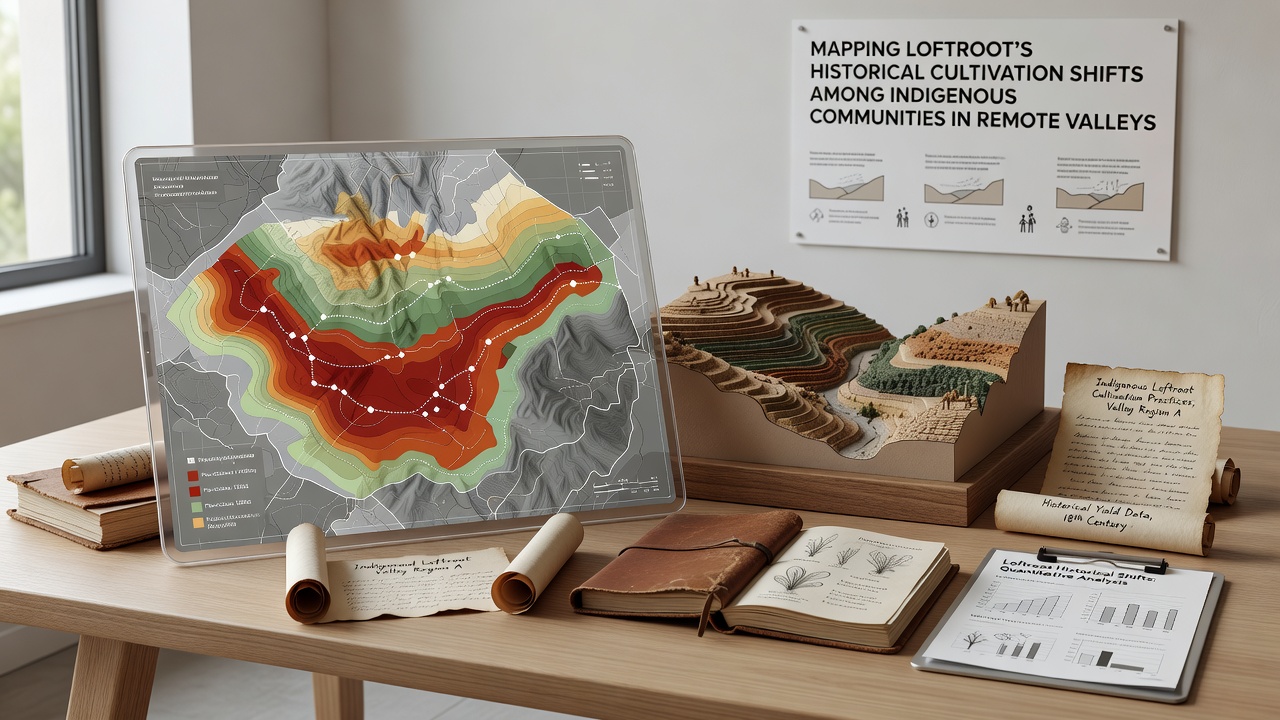
One project coordinated across several valleys used handheld GPS units and community-drawn sketches to verify satellite interpretations, which improved accuracy for small or shaded plots. Evidence from these initiatives shows that certain heirloom varieties persist only in the most isolated locations, where market pressures have not yet prompted replacement with faster-growing alternatives. Researchers at institutions such as those affiliated with Food and Agriculture Organization programs have cross-referenced these findings with broader agricultural statistics to place valley-level changes within regional contexts. Additional analysis from university teams in Canada has contributed comparative data on similar highland root crops, helping identify shared adaptation strategies.
Links to Broader Environmental and Cultural Factors
Cultivation shifts often align with changes in water management infrastructure and seasonal migration patterns that communities have maintained for trade and resource gathering. Records indicate that periods of increased loftroot planting coincided with reduced reliance on imported staples, while contractions followed disruptions in labor availability during external economic shifts. Soil core samples analyzed alongside mapping data reveal gradual changes in organic matter levels that correspond to different rotation intensities over decades. Those studying these patterns emphasize that indigenous governance systems continue to guide decisions about which slopes receive planting priority each year, preserving both crop and cultural continuity.
Conclusion
Mapping loftroot cultivation history provides a detailed record of how indigenous communities in remote valleys have responded to environmental and social pressures while sustaining a key food resource. The integration of traditional knowledge with modern geospatial tools continues to refine understanding of past movements and current distributions, offering baseline information for future planning. Data collected through these efforts highlight the persistence of adaptive practices that have supported loftroot across changing conditions, and ongoing collaboration between researchers and communities ensures that records remain accurate and relevant.